
There is so much happening in the world at the moment, but not all of it is negative. Seeing the images from the Artemis II mission is truly mind-blowing. It’s fascinating to think that some winemakers believe the phases of the moon influence their wines.
I have just completed my 2026 harvest. Some of the more experienced winemakers always aim finish by the Easter weekend to allow a well-earned break, and I must admit, we usually do the same. That said, in cooler regions, some are still harvesting as I write this. Overall, it has been a favourable season: good weather conditions, smaller berries, and beautifully concentrated flavours. It is a vintage we can be proud of for years to come.
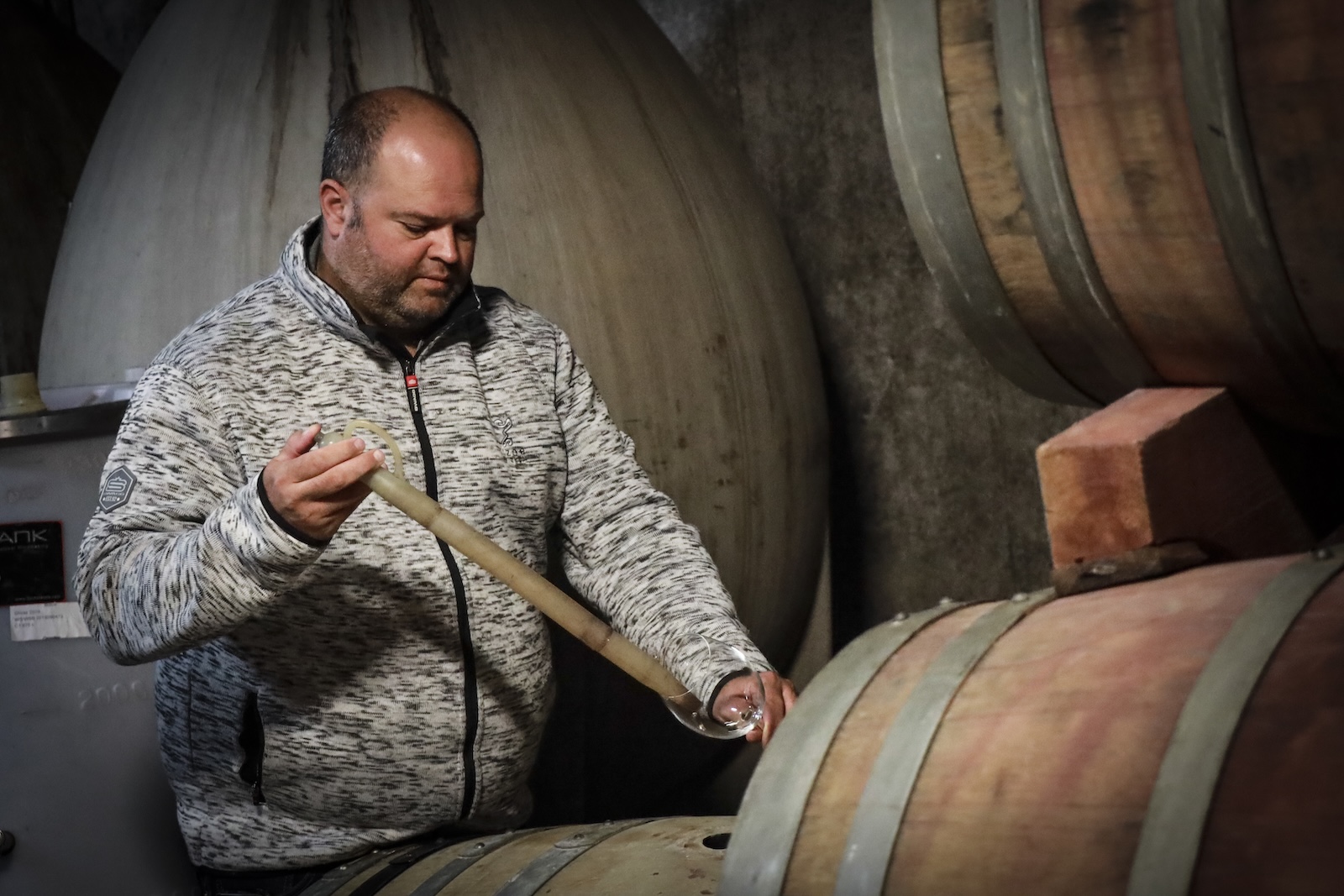
What happens after harvest in the cellar? At the moment, our red wines are resting in barrels, undergoing malolactic fermentation. After primary fermentation, wines contain higher levels of malic acid. Through this process, bacteria convert the malic acid into lactic acid, giving the wine a rounder, softer mouthfeel. It is a key step in crafting our red wines. In white wines, where I aim for a crisper taste, we intentionally prevent this process.
From this week, I will be spending more time on the road, hosting tastings and connecting with many of you who are reading this. The marketing and sales of wine have changed over the years, but one thing remains true: The best way to experience a wine is in the glass accompanied by a meaningful conversation. We will start our journey this week in the beautiful town of Potchefstroom, followed by Secunda. If we are visiting your town, please get in touch – we would love to share a glass of Bizoe with you in 2026..
Wine, like space travel, is an act of patience and belief. Both require navigating uncertainty, trusting science and embracing time.
Add Your Heading Text Here